
Cupping vs. Massage: Which Treatment Is Right for You
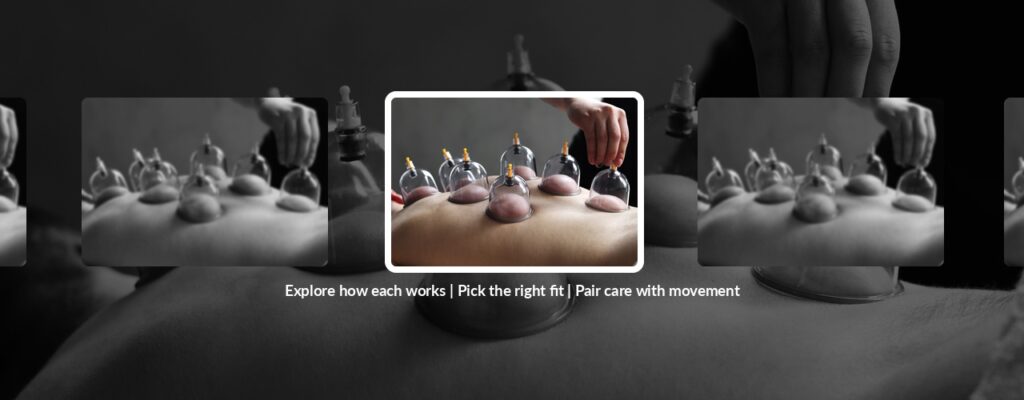
Back pain can make sitting, working, exercising, and even sleeping more difficult. If tight or sore muscles are part of the problem, hands-on treatments may help you move more comfortably. That often leads people to compare cupping therapy vs massage for back pain. While both approaches target soft tissues, they work differently. Manual therapy, another hands-on option we offer at Premier Athletic Rehab Center, can also play an important role in physical therapy.
Understanding these differences can help you know what to expect. More importantly, it can help you choose care based on your symptoms, movement needs, and goals rather than simply picking the treatment that sounds most familiar.
Cupping Therapy vs Massage for Back Pain: What Really Sets Them Apart?
Cupping therapy uses specialized cups placed on the skin to create suction. Depending on the technique, the cups may remain in one area briefly or move across the skin. The suction gently lifts the skin and underlying tissues.
Massage takes a different approach. A massage therapist typically uses pressure, kneading, and other movements to work on muscles and soft tissues. Many people seek massage to ease muscle tension, promote relaxation, or address general soreness.
Manual therapy also uses skilled hands-on techniques, but it is typically performed as part of a broader rehabilitation plan. A physical therapist may use specific techniques to address joints, muscles, and other soft tissues based on evaluation findings.
Cupping Uses Suction, While Massage Uses Pressure
One of the easiest ways to understand cupping therapy vs massage for back pain is to consider how each treatment interacts with the tissues.
Massage generally applies pressure downward or across muscles. Cupping creates negative pressure, meaning the tissues are gently drawn upward into the cup. This difference can make the treatments feel quite different.
Cupping may be used to:
- Address areas of muscle tightness or soreness.
- Temporarily reduce pain or discomfort for some patients.
- Support mobility when tight tissues are limiting comfortable movement.
- Complement exercise and other physical therapy treatments.
Cupping commonly leaves temporary circular marks on the skin. These marks result from the suction and changes in small blood vessels near the skin. They can look dramatic, but they are not the same as a typical bruise caused by an impact.
The Biggest Difference May Be What Happens After Hands-On Care
Cupping, massage, and manual therapy may all provide short-term changes in soreness, tension, or comfort. For ongoing back pain, however, hands-on treatment is rarely the entire answer.
Back pain can involve many factors. Muscle strength, mobility, activity demands, sleep, stress, previous injuries, and sensitivity of the nervous system may all play a role. This is why a physical therapy plan often combines symptom-relieving treatments with active care.
After cupping or manual therapy, your therapist may guide you through exercises or movement strategies that address the factors contributing to your symptoms. The goal is not simply to make your back feel different during an appointment. It is to help you move and function with greater confidence outside the clinic.
Which Approach Fits Your Back Pain?
The right choice depends on what is contributing to your symptoms. Someone with muscle tightness after demanding activity may have different needs than someone whose back pain has gradually become more persistent.
When comparing cupping therapy vs massage for back pain, consider what you want from treatment. If your main goal is relaxation or general muscle work, a massage from a qualified massage therapist may fit that goal. If you want treatment connected to an assessment of your movement and function, physical therapy may offer a more comprehensive approach.
Cupping may be part of that care when your physical therapist believes it could help address pain or soft-tissue restrictions. Manual therapy may be another option. Neither technique needs to stand alone.
Your Evaluation Matters More Than Choosing a Technique
It can be tempting to search for the single best treatment for back pain. In reality, the best approach depends on the person.
Our physical therapists can evaluate how your back and surrounding areas move, discuss what aggravates or eases your symptoms, and learn which activities you want to return to. This information helps determine whether cupping, manual therapy, exercise, education, or a combination of approaches makes sense.
This individualized approach also allows treatment to change as you progress. A technique that is useful early in care may become less important as your strength, mobility, and activity tolerance improve.
Find the Right Mix of Hands-On Care and Active Recovery
Comparing cupping therapy vs massage for back pain can help you understand your options, but you do not have to choose a treatment method on your own. Back pain is rarely identical from one person to the next, and effective care should reflect your specific symptoms and goals.
At Premier Athletic Rehab Center, your physical therapist can determine whether cupping or manual therapy may complement an active rehabilitation plan. Contact us today to schedule an evaluation and learn which treatment options may help you move more comfortably and get back to the activities you enjoy.