
Why Manual Therapy Works Well for Chronic Low Back Pain
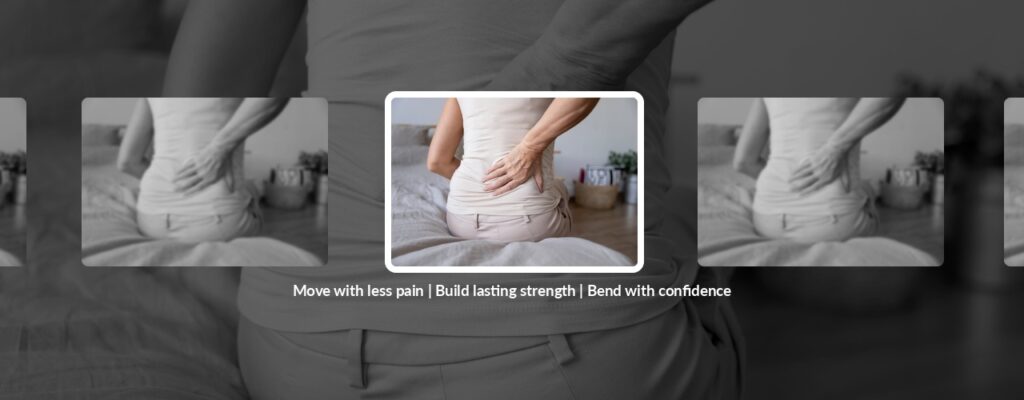
Living with back pain for months can make simple activities feel harder than they should. Bending, walking, sitting, or getting through a workday may become frustrating. Manual therapy for chronic low back pain can help reduce symptoms and improve movement when used as part of an active physical therapy plan.
Why Low Back Pain Can Stick Around
Chronic low back pain rarely has one simple cause. Joint stiffness, muscle sensitivity, strength changes, sleep, stress, activity levels, and movement habits can all influence how the back feels.
Pain can also change how you move. You may begin guarding your back or avoiding certain activities. Over time, these changes can make it harder to return to normal movement with confidence.
How Manual Therapy for Chronic Low Back Pain Supports Recovery
Manual therapy includes hands-on techniques performed by a trained physical therapist. Depending on your needs, your therapist may gently move certain joints or work with muscles and other soft tissues.
For some people, these techniques can provide short-term improvements in pain and mobility. That can make it easier to participate in the active parts of rehabilitation.
The goal is not to manually “fix” your spine. Instead, manual therapy for chronic low back pain can create an opportunity to move more comfortably while you work on strength, mobility, and function.
Why Hands-On Treatment Is Only Part of the Answer
Current physical therapy care usually combines manual therapy with active treatment. This matters because chronic back pain can be influenced by several factors that hands-on care alone cannot address.
Therapeutic exercise can help improve strength and movement capacity. Movement training can build confidence with activities that have become difficult. Education can help you understand pain and make informed choices about activity.
This combined approach puts you in an active role. Your therapist provides support while helping you develop skills you can use outside the clinic.
What an Evaluation at Premier Athletic Rehab Center Looks For
Before recommending manual therapy for chronic low back pain, your physical therapist needs to understand your symptoms and goals. Your first visit begins with a conversation about what hurts and which activities have become difficult. Your physical assessment may look at:
Back and Hip Mobility
- Your therapist checks how comfortably these areas move.
Strength
- Muscle function around the hips, trunk, and legs can affect daily movement.
Movement Patterns
- Your therapist may watch how you bend, walk, or complete other important tasks.
Symptom Response
- Different movements can provide clues about what makes your back feel better or worse.
These findings help your therapist choose care based on your needs rather than a standard treatment routine.
What Manual Therapy May Feel Like
Treatment should be matched to your comfort and clinical needs. Your therapist may use gentle pressure, guided joint movement, or other hands-on techniques based on the evaluation.
You should feel comfortable asking what a technique is meant to accomplish. You can also tell your therapist if something does not feel right.
After hands-on treatment, your therapist may guide you through movement or therapeutic exercise. Manual therapy for chronic low back pain is often most useful when improved comfort helps you practice the movements needed for everyday life.
Building Progress That Lasts Beyond the Treatment Table
The most meaningful progress happens when changes carry over into daily life. You may notice that getting out of a chair feels easier or that you can walk with greater confidence.
You might also become more comfortable bending, lifting, working, or exercising. These functional changes provide useful signs that your treatment plan is moving in the right direction.
Your therapist can adjust care as your abilities improve. Over time, treatment may place greater focus on independent movement, strength, and strategies for managing future symptom changes.
When Persistent Back Pain Deserves Another Look
Professional guidance can help if back pain keeps returning or prevents you from doing normal activities. An evaluation is also useful if fear of pain has caused you to avoid movement or exercise.
Seek prompt medical care for new bowel or bladder problems, numbness around the groin area, major weakness, or severe symptoms following significant trauma. These signs require further medical assessment.
Ongoing back pain does not mean you have to stop doing the activities that matter to you. Contact Premier Athletic Rehab Center to schedule an evaluation and learn how a personalized physical therapy plan can help you move with greater comfort and confidence.